1
Initial Consultation
Evaluation, medical history review, and eligibility check to confirm rTMS is right for you.
- Symptoms assessment
- Personalized plan outline
Repetitive Transcranial Magnetic Stimulation (rTMS) is a non-invasive brain stimulation technique that uses magnetic fields to stimulate nerve cells in the brain. This innovative treatment has been proven effective for various neurological and psychiatric conditions.
rTMS works by delivering repetitive magnetic pulses to specific areas of the brain that are underactive in certain conditions, particularly depression. The magnetic pulses pass through the skull and stimulate nerve cells in the targeted brain region, which can help improve symptoms and brain function.
The treatment is FDA-approved and has shown remarkable success in treating major depressive disorder, especially in patients who haven't responded well to traditional antidepressant medications. It's also being researched for treating anxiety, PTSD, OCD, and other neurological conditions.
Key Benefits: rTMS is painless, non-invasive, requires no anesthesia, has minimal side effects, and patients can return to normal activities immediately after each session.
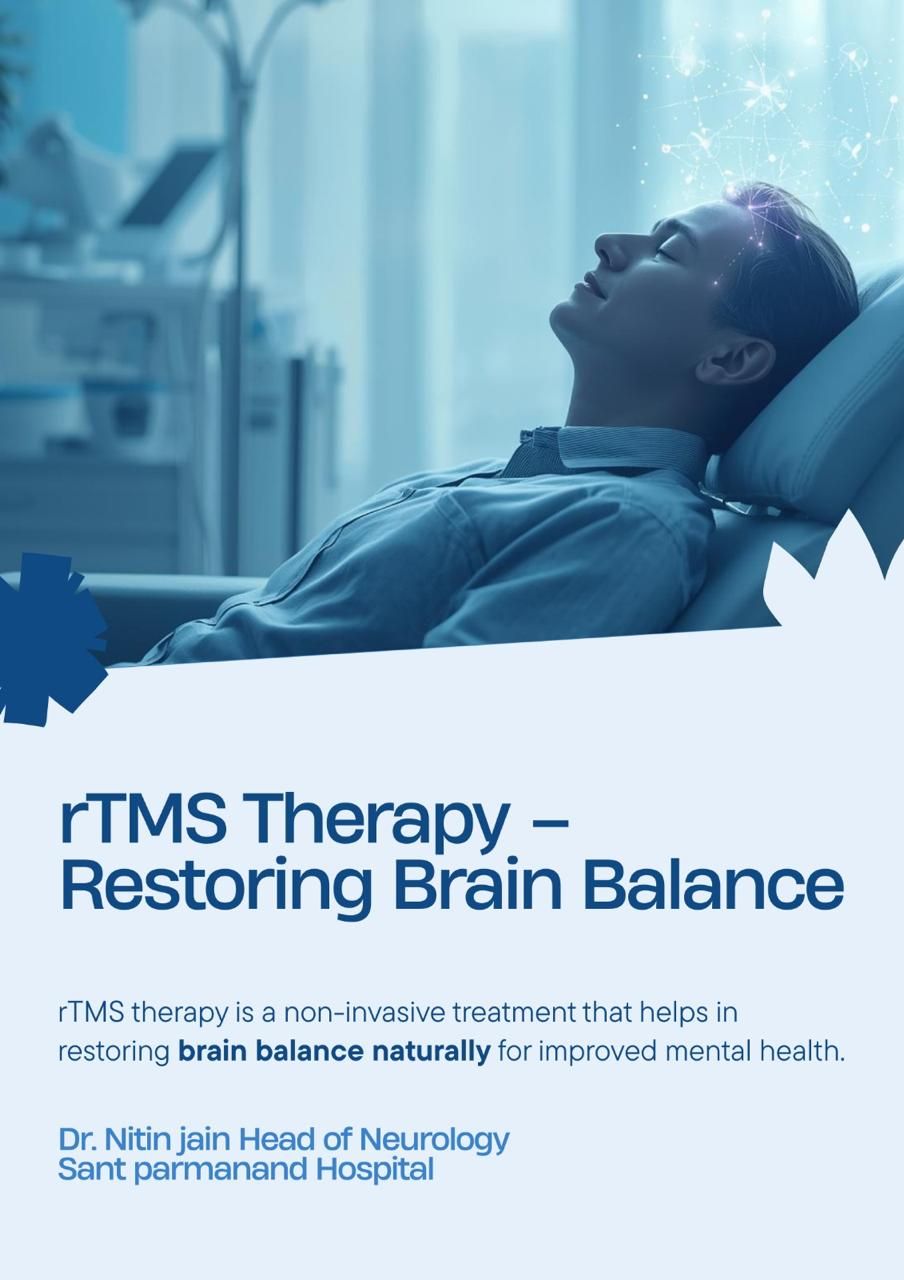
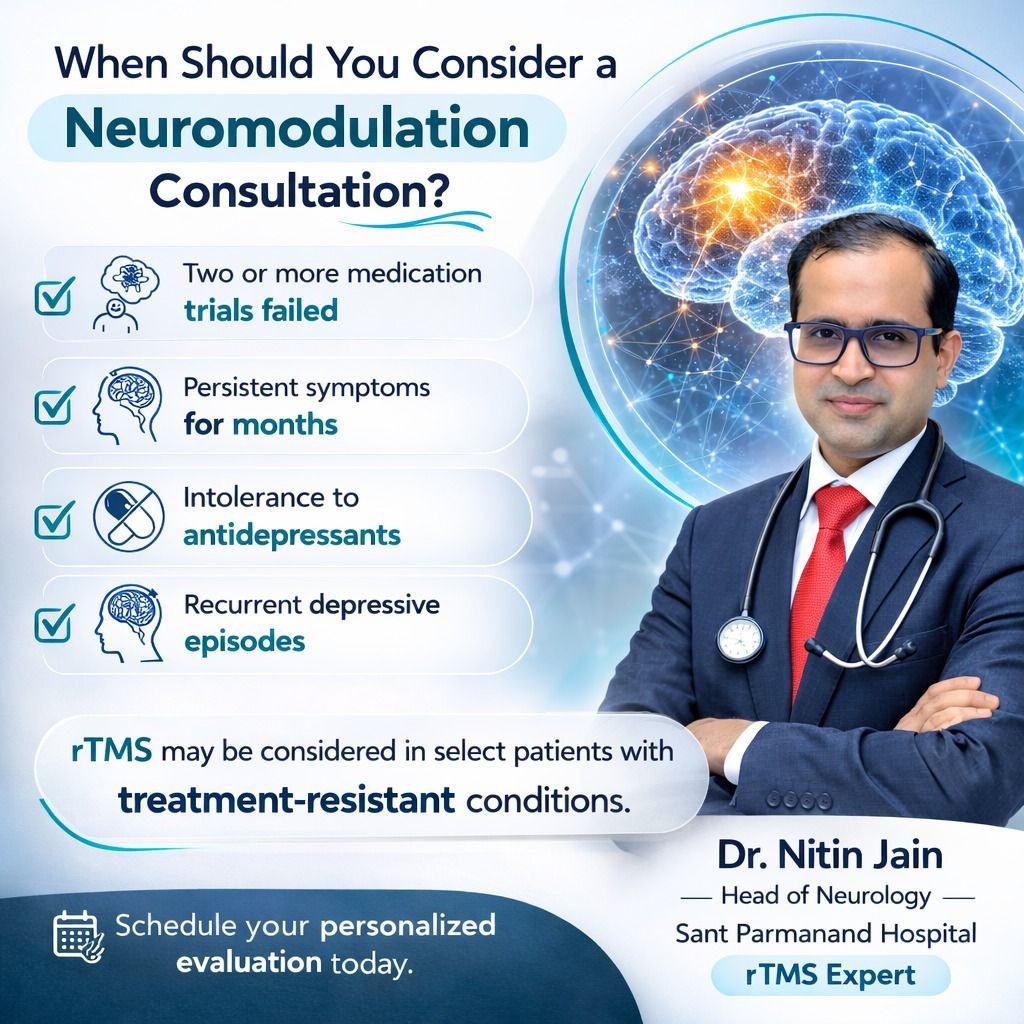
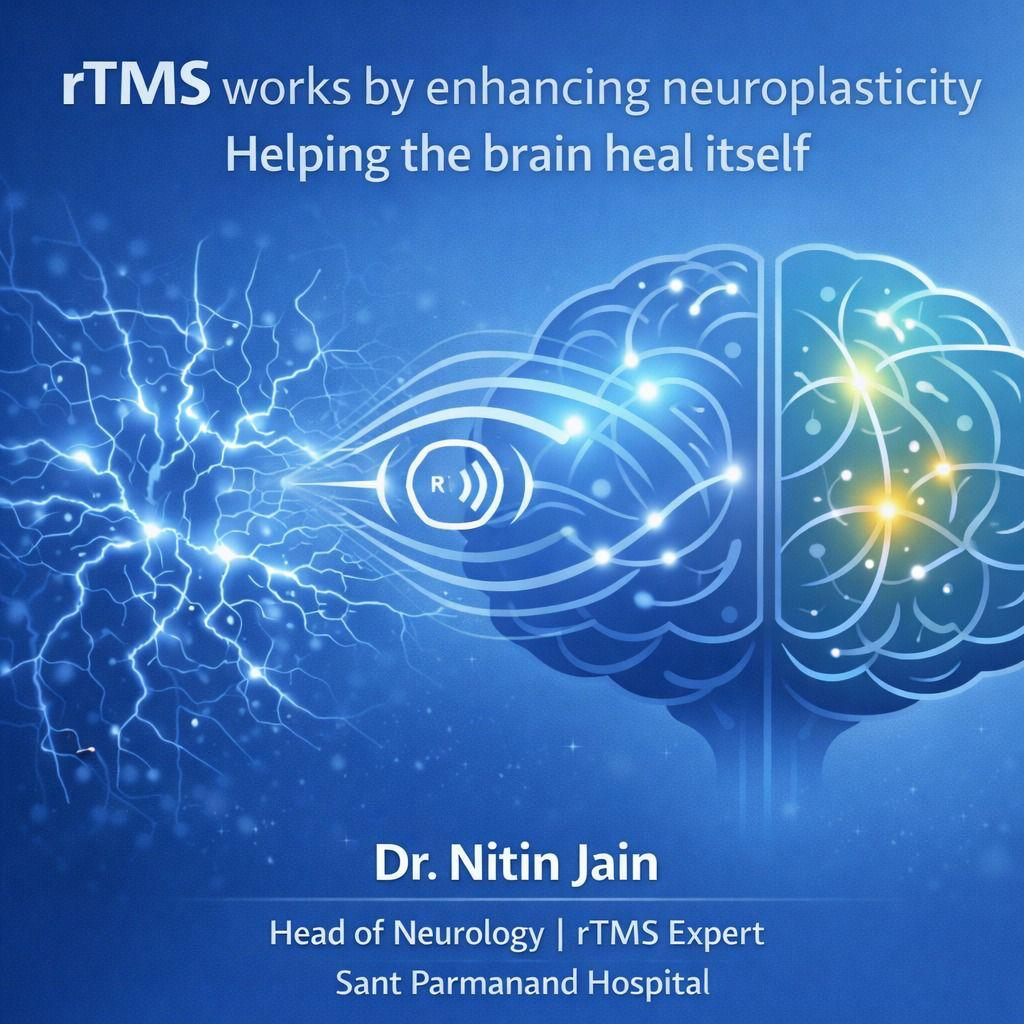
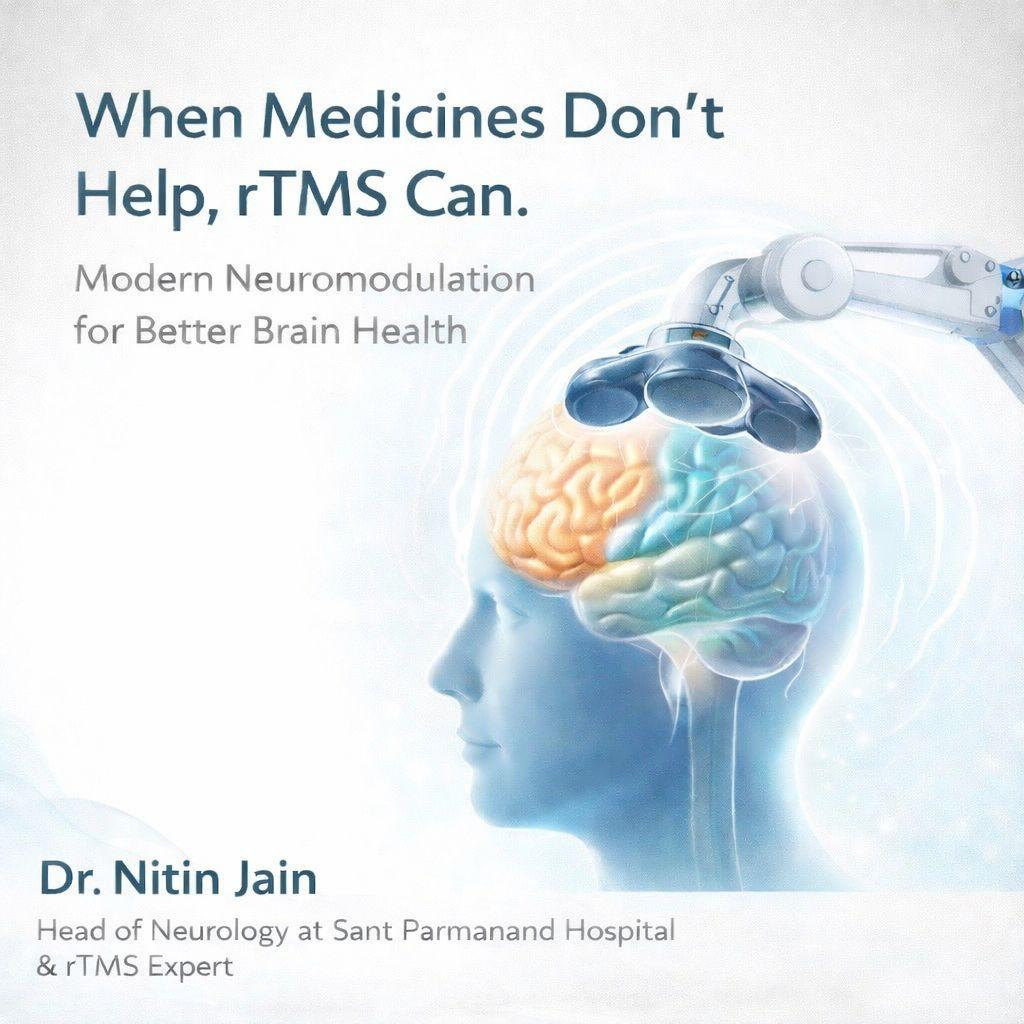
rTMS has been proven effective in treating a wide range of neurological and psychiatric conditions, offering hope to patients who haven't responded to traditional treatments.

FDA-approved treatment for major depressive disorder, especially effective for treatment-resistant depression with high success rates.
Helps reduce symptoms of generalized anxiety disorder, social anxiety, and panic disorders through targeted brain stimulation.
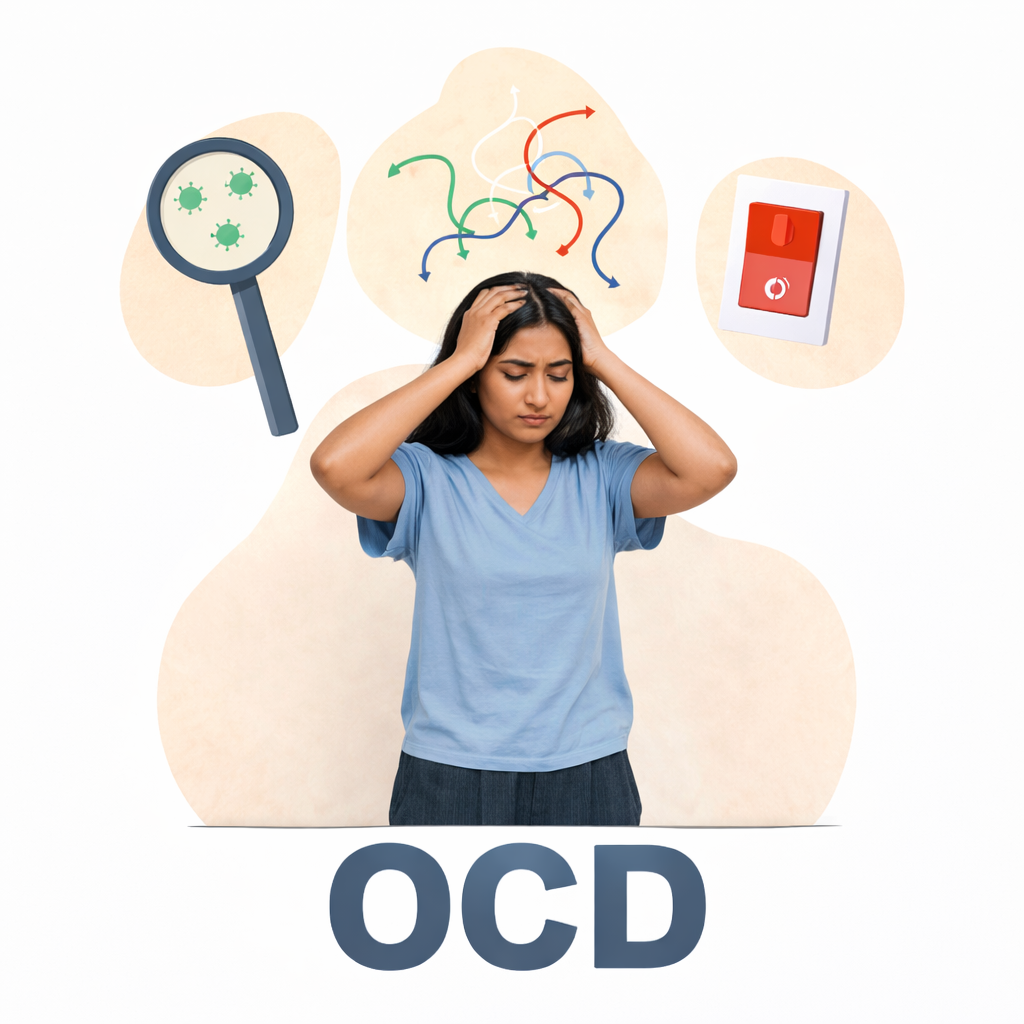
Obsessive-Compulsive Disorder treatment targeting specific brain circuits to reduce intrusive thoughts and compulsive behaviors.
Post-Traumatic Stress Disorder treatment helping veterans and trauma survivors process memories and reduce symptoms.
Management of chronic pain conditions including fibromyalgia, neuropathic pain, and migraine through neuromodulation.
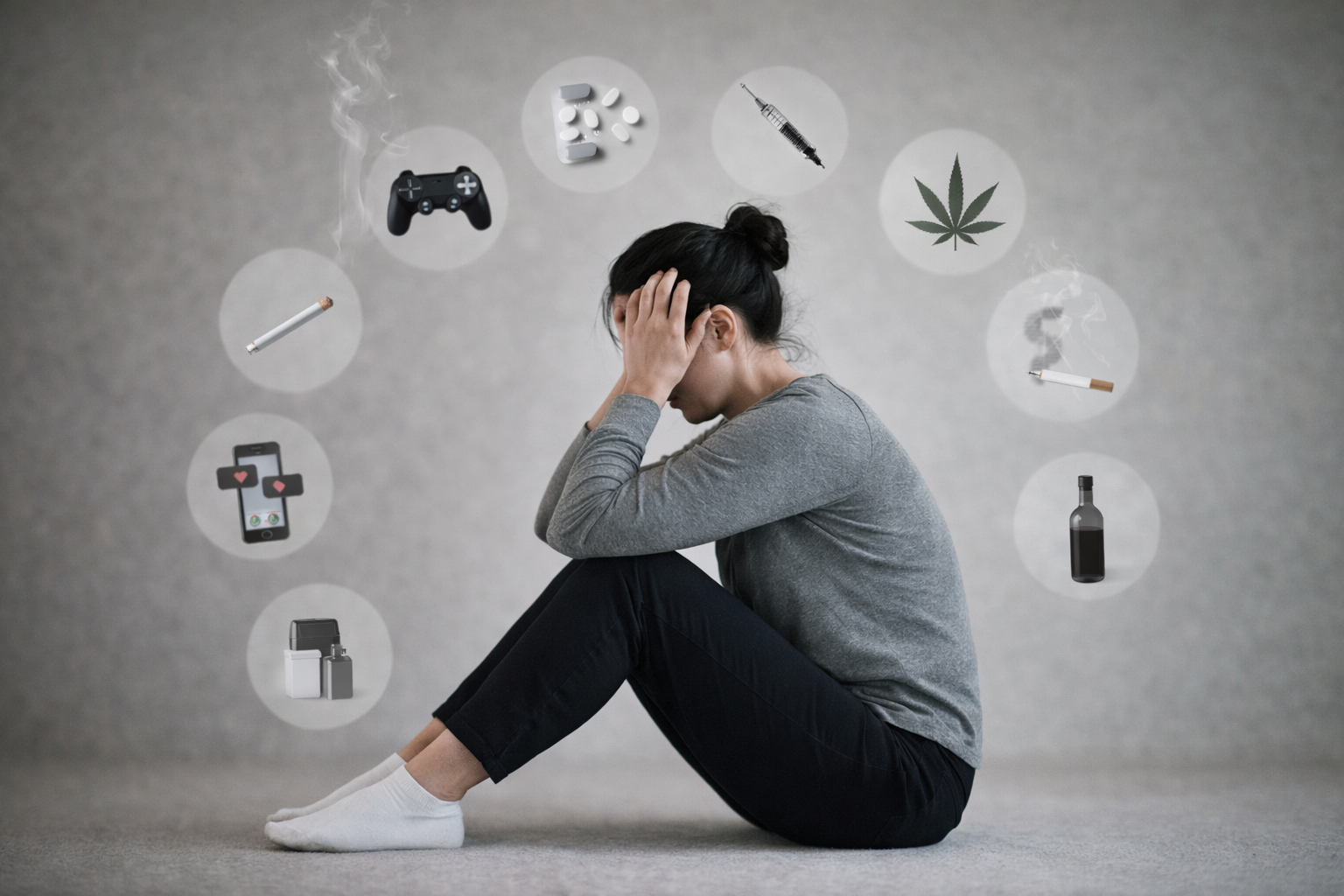
Helps reduce cravings and withdrawal symptoms for substance use disorders including smoking, alcohol, and drug addiction.
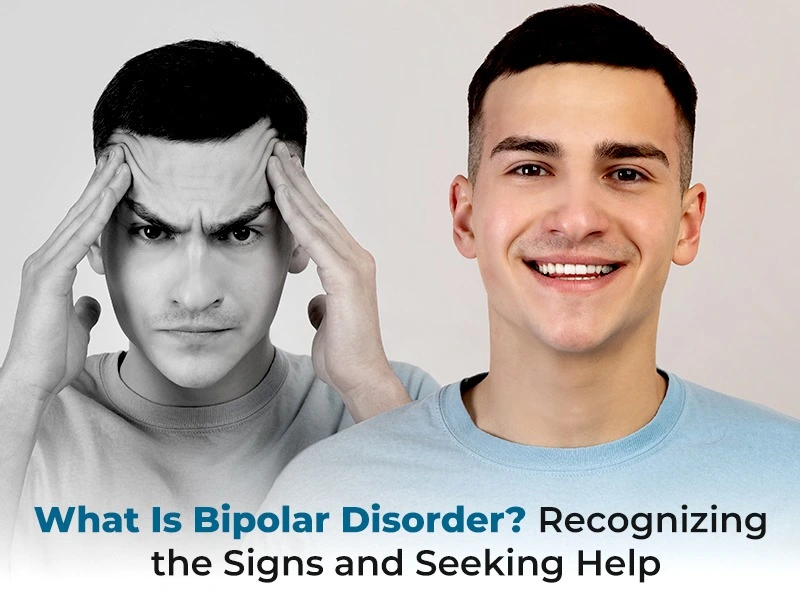
Treatment for depressive episodes in bipolar disorder, helping stabilize mood with minimal side effects.
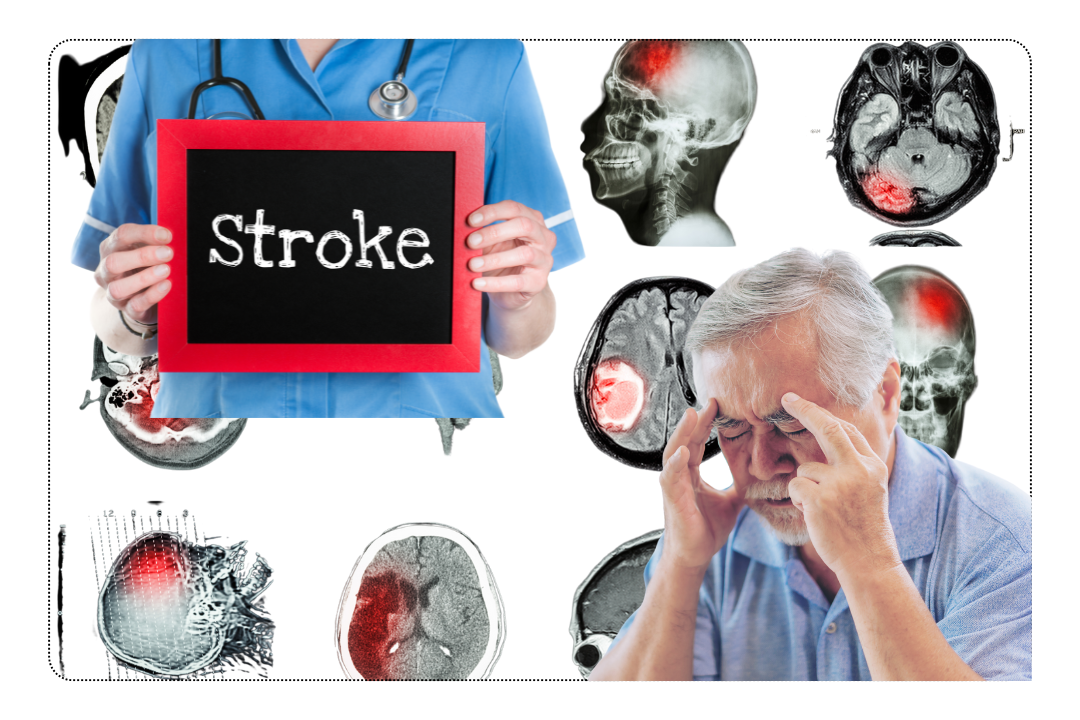
Aids in rehabilitation and recovery of motor and cognitive functions after stroke through neuroplasticity enhancement.
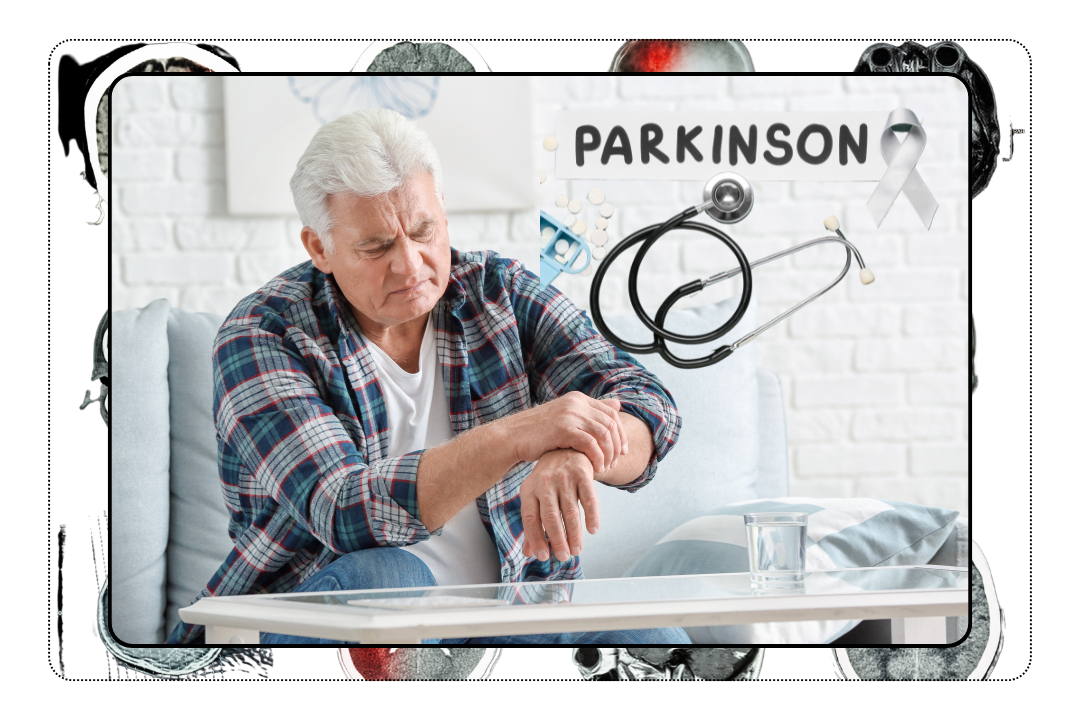
Helps improve motor symptoms and reduce tremors in Parkinson's patients, enhancing quality of life.
Understanding the science behind repetitive Transcranial Magnetic Stimulation and how it helps treat various neurological conditions through targeted brain stimulation.
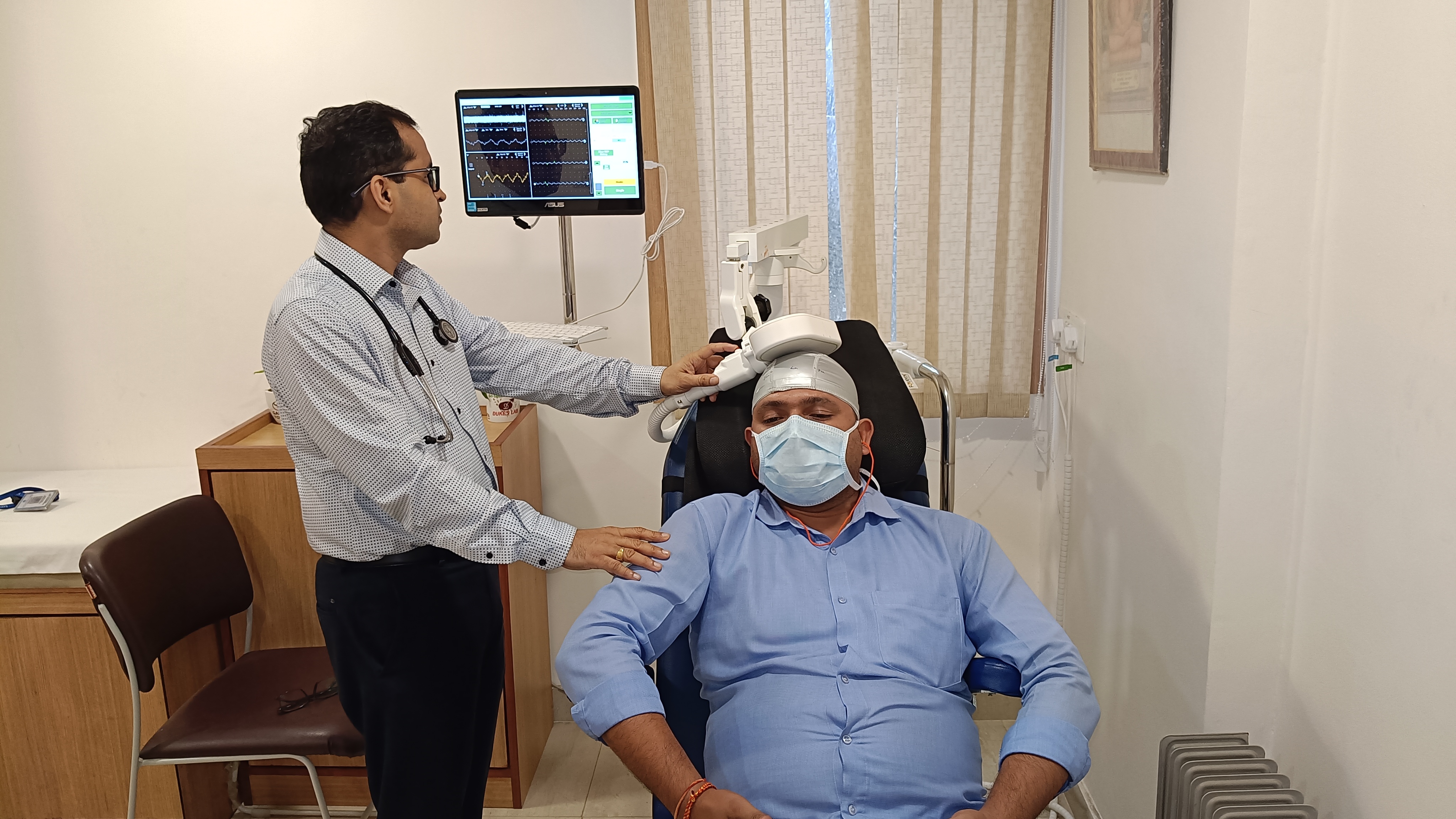
A magnetic coil is placed on your scalp, generating focused magnetic pulses.
Pulses pass through the skull to stimulate targeted nerve cells in the brain.
Activates underactive brain regions associated with depression and other conditions.
Regular sessions improve brain function and reduce symptoms over time.
Treatment visualization showing the application of rTMS therapy
The magnetic coil is placed on your scalp without any surgery or insertion of devices. The procedure is completely painless.
Focuses on specific regions like the dorsolateral prefrontal cortex, which is often underactive in depression.
Repeated sessions promote long-term changes in brain activity, improving neural connections and function.
Clinical studies show 50-60% of patients experience significant improvement, with minimal side effects.
A simple step-by-step process from consultation to results — designed for comfort, safety, and measurable progress.
Evaluation, medical history review, and eligibility check to confirm rTMS is right for you.
We identify the target area and calibrate stimulation intensity for precise, safe treatment.
Short, non-invasive sessions (typically 20–30 minutes). You stay awake and comfortable.
Regular tracking and adjustments to ensure you're responding well and improving steadily.
Most treatment plans run 4–6 weeks. Follow-ups help maintain long-term improvement.
rTMS is an FDA-approved, safe, and well-tolerated treatment with minimal side effects
Cleared by the FDA since 2008 for treatment-resistant depression and other neurological conditions
No surgery, no anesthesia, no systemic side effects. Treatment is performed while you're fully awake
Most common side effect is mild scalp discomfort during treatment, which typically decreases over time
rTMS does not interact with medications and can be used alongside other treatments
Return to normal activities immediately after each session. No downtime required
Backed by over 30 years of research and thousands of clinical studies worldwide
rTMS may not be suitable for individuals with:
Important: rTMS is not a replacement for all medications. It's an alternative or complementary treatment option that works best when integrated into a comprehensive treatment plan under medical supervision.
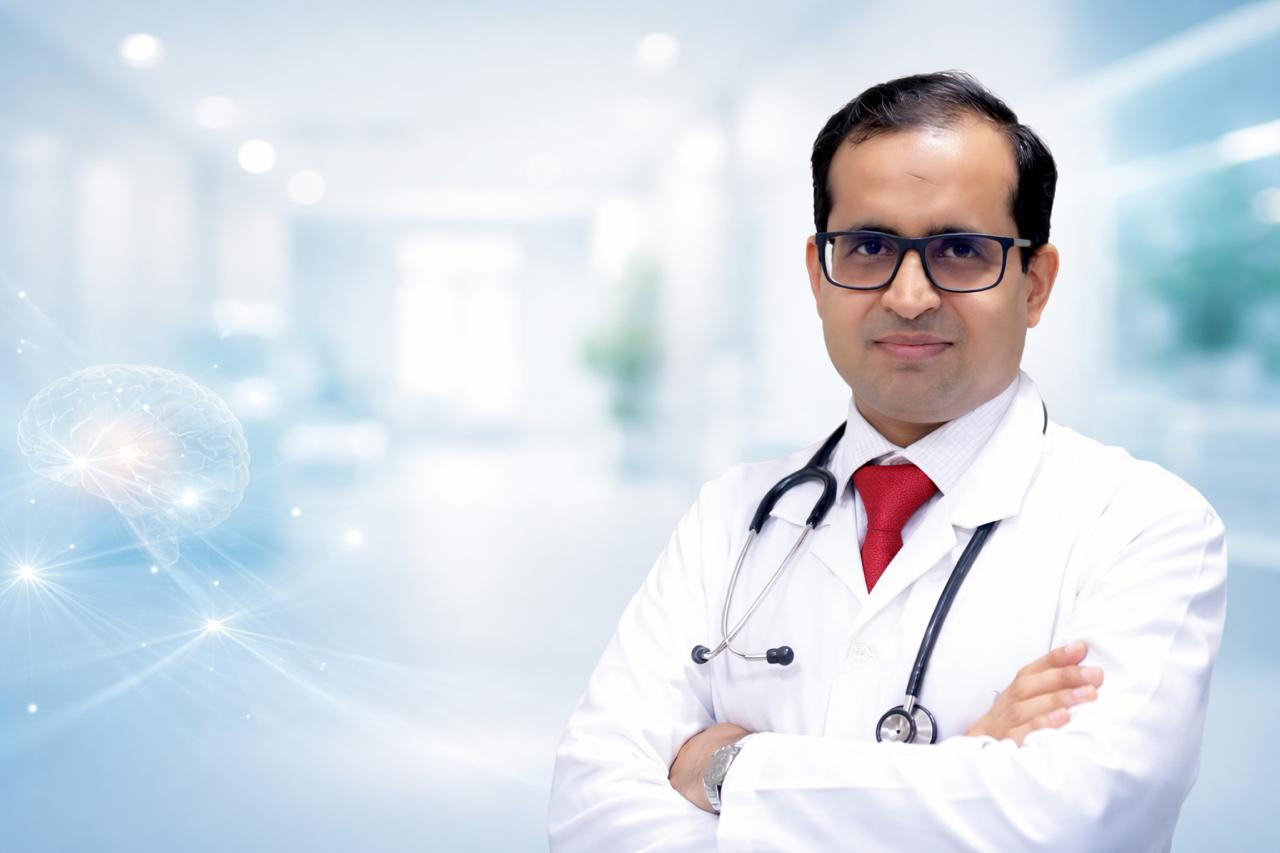
Expert Care with Proven Results in Neurological Treatment
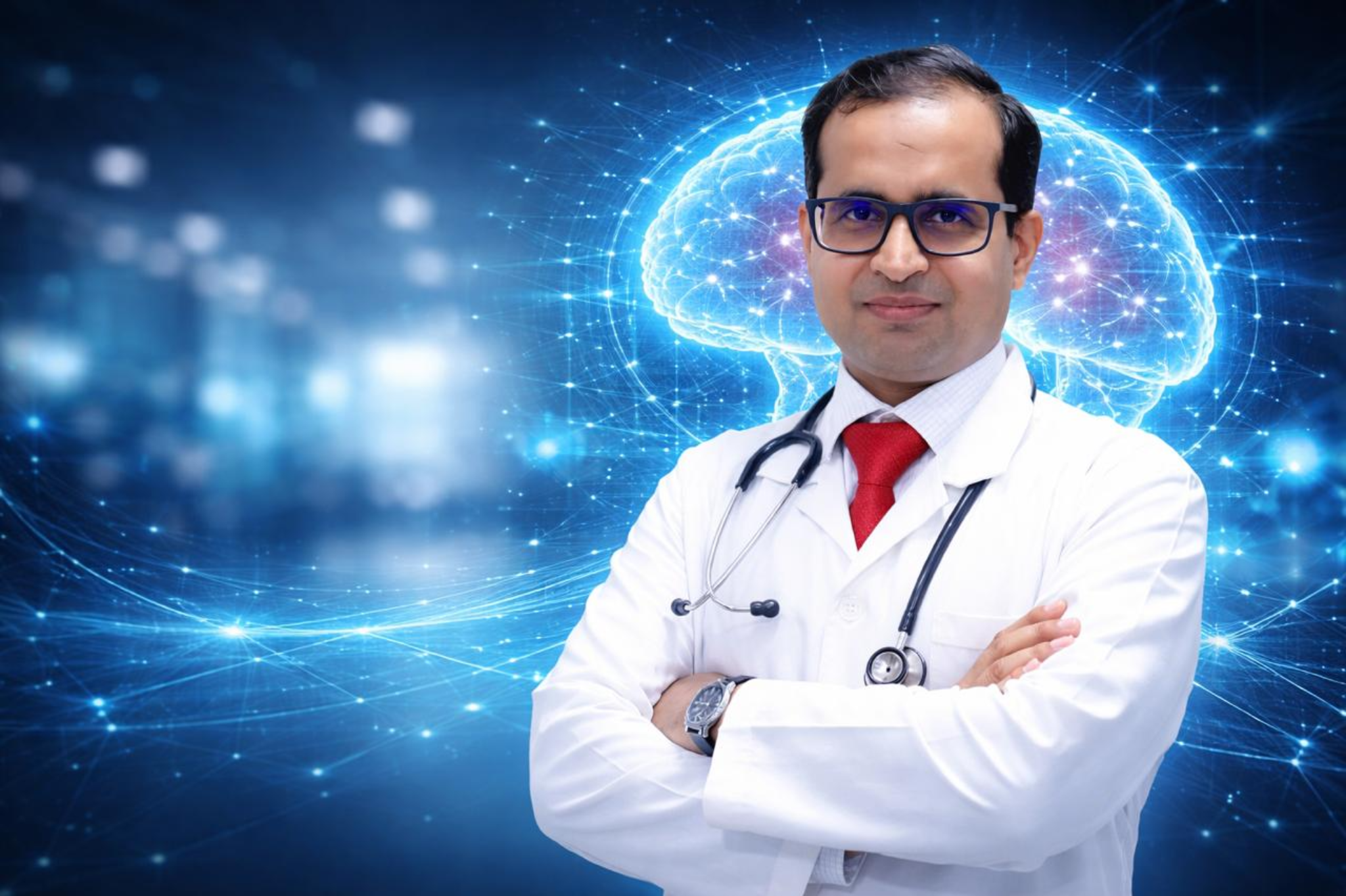
Dr. Nitin Jain is a renowned neurologist and one of the leading experts in rTMS therapy in India. With over 20 years of experience, Dr. Jain has helped thousands of patients regain their quality of life through innovative, evidence-based treatments.
Compassionate approach focused on comfort, safety, and satisfaction with full guidance throughout treatment.
Latest FDA- CE approved rTMS equipment and modern protocols for safe, effective and consistent outcomes.
Specialized training in TMS with strong experience treating depression, OCD, anxiety and PTSD.
Thousands of successful treatments with high patient satisfaction and consistent clinical improvements.
Common questions about consultations and treatments with Dr. Nitin Jain.
You can book an appointment by using the “Book Consultation” button on the website or by calling the clinic directly. Our team will confirm your preferred date and time.
Please bring any previous medical reports, current medications list, and relevant test results (if available). This helps Dr. Nitin Jain understand your history and plan the best care.
A first consultation usually takes around 20–30 minutes, depending on your concerns. Follow-up visits are typically shorter.
rTMS is non-invasive and most patients describe it as mild tapping on the scalp. Some people may experience temporary scalp discomfort or mild headache, which usually improves quickly.
The number of sessions varies by condition and individual response, but many plans run for 4–6 weeks. Dr. Nitin Jain will guide you based on your assessment and progress.
Yes. Follow-ups are recommended to track progress, adjust the plan if needed, and support long-term outcomes.
Book an appointment with Dr. Nitin Jain and get a personalized treatment plan. Safe, non-invasive, and designed for measurable improvement.